ChildSafeguardingTraining
The well established and highly valued SANDSTORIES training is now available in an accessible half day workshop, using a licenced training portal with local facilitators.




Creative storytelling and reflection to equip the workforce with memorable and lasting insight into child-centred practice.
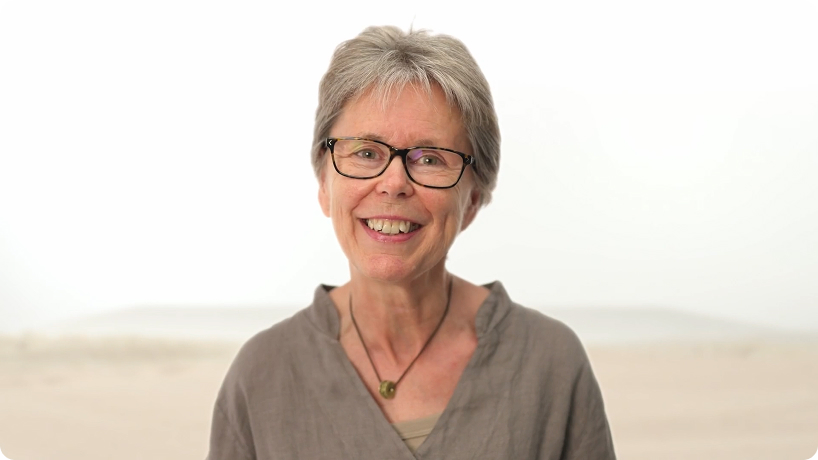
The SANDSTORIES licenced training portal provides access to unique materials and resources to deliver local, half day SANDSTORIES workshops.
Play VideoThe workshop approach
Training commissioners are now able to purchase a licence, so that they can deliver half day Sandstories workshops to their workforce with accredited local facilitators.

Every interaction matters. You can make a difference.
Sandstories is designed for anyone working directly with children, young people, and families, or supporting those who do. This includes professionals across both statutory and voluntary sectors, such as social care practitioners, police officers, health professionals, school staff, probation officers, family support workers, housing officers, domestic abuse practitioners, youth workers, and mental health specialists.









This immersive workshop is designed to leave a lasting impact on learning and professional practice

Increase awareness of the influence of disguised compliance on professional judgements

Recognise the potential for rigid adherence to referral thresholds to result in ‘no further action’ for vulnerable children

Deepen insight into the lived experience of vulnerable children and young people

Understand and promote the crucial role of reflective supervision for all practitioners

Focus on the central role of emotionally available adults for vulnerable children and young people

Emphasise the need for multi-agency working, meaningful communication and mutual professional respect

Understand the links between animal maltreatment and human maltreatment, including the roles that pets can play in highlighting the lived experience of vulnerable children

Recognise and challenge professional hierarchies which may disadvantage vulnerable children

Promote the use of local escalation policies and advocacy, in situations of professional disagreement

We’re here to answer your questions
Get answers to the questions we get asked the most.